Dealing With, Storing, And Traveling With Injectable Peptides: A Comprehen
Peptide Reconstitution, Storage & Managing Overview Shaking creates micro-bubbles and surface stress pressures that actually abuse amino acid sequences. This procedure, called denaturation, permanently damages peptide activity. Before you ever before puncture a rubber stopper, you need to recognize what you're collaborating with. The white powder resting at the bottom of that vial represents months of synthesis, filtration, and quality control. How you treat it from this point onward establishes whether those amino acid chains remain undamaged or fall apart. Maintain the cap clean and completely dry; do not submerge, and prevent getting the cap damp during cleansing. Location the container in a steady area so it can not roll. If your kit includes color tags or tags, appoint a shade to BAC water so it's never ever confused with reconstituted vials. High-quality research peptide vendors offer items optimized for laboratory storage through correct lyophilization methods, inert environment packaging, and in-depth storage space suggestions. Lyophilized peptides remain hygroscopic even after freeze-drying. Nevertheless, this can additionally differ with details peptide and duration of transportation. You ought to always examine the manufacturer's recommendations or carry out stability research studies to check out the security of your peptides throughout transport. Use low-binding vials or tubes made particularly to minimize peptide adsorption to navigate this issue. Since polypropylene containers have lower affinity for binding peptides, they are frequently advised [6] Siliconized tubes can also minimize surface area get in touches with also additionally, ensuring that your peptide examples preserve the ideal focus. Prior to starting, permit both the peptide vial and solvent to get to room temperature. Reconstituted peptides can endure 4-- 6 hours outside refrigeration if kept cool. Stay with your regular drug schedule as much as possible while traveling. This is particularly harmful for hydrophobic peptides and long series. Peptides obtained by SPPS are typically purified by the preparative RP-HPLC. The HPLC purity of most of our peptides is 95% or over. The reduced pureness may be anticipated for peptides consisting of totally free Cys, an N-terminal Gln, or sulfated peptides. The pureness can be improved with the optimized artificial and filtration methods.
What counteracts peptides?
Salicylic acid''s scrubing activity might undercut the peptides, reducing their skin-repairing advantages. Recommendation: To stay clear of any type of interaction, usage salicylic acid and peptide products at various times. As an example, incorporate salicylic acid in your early morning regimen and peptides in your evening routine.
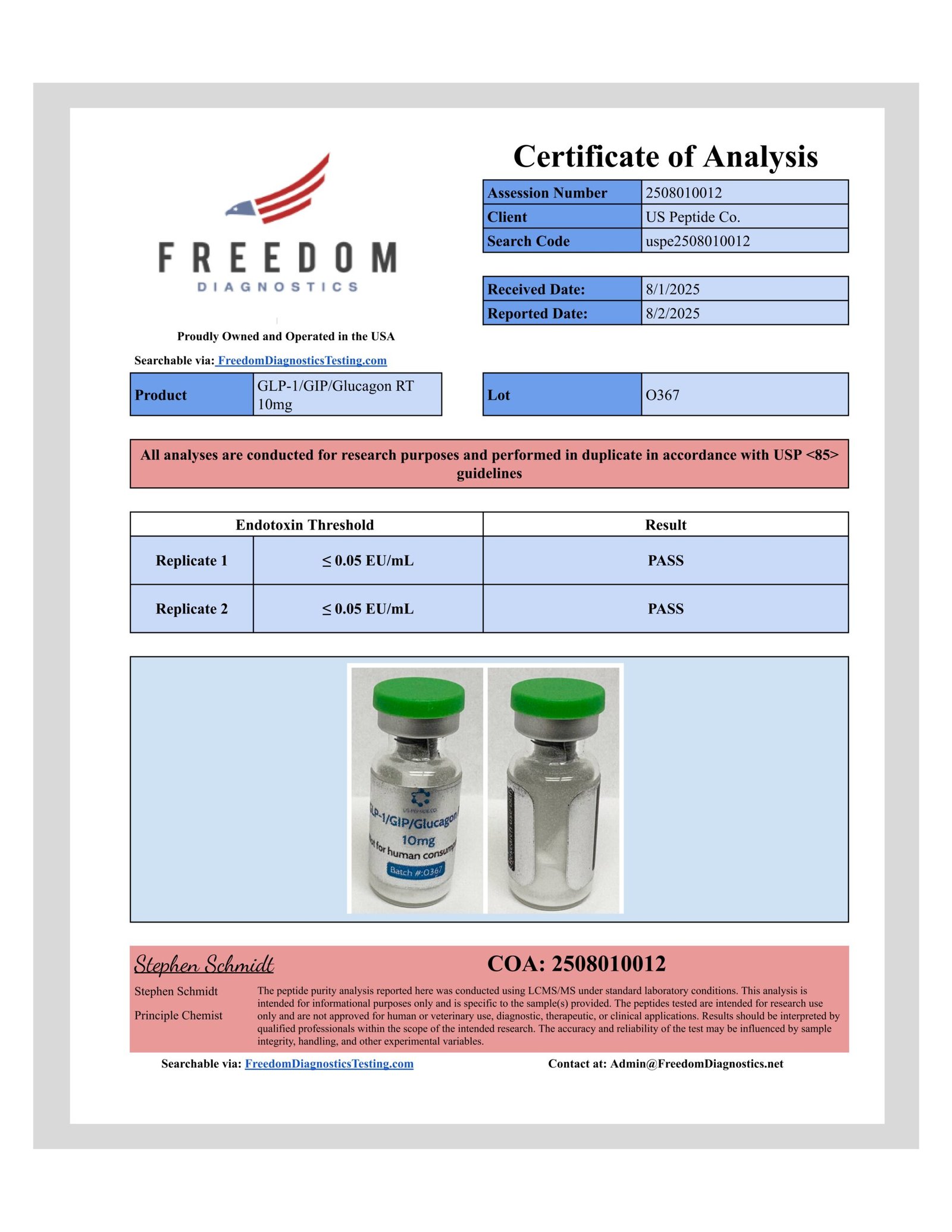
Table 4 Amino Acid Structure Of High And Reduced Pureness Prep Work Of A Peptide
Most lyophilized (freeze-dried) peptides continue to be secure for 2+ years when saved at -20 ° C in a secured vial secured from light and wetness. Some very stable compounds like BPC-157 and TB-500 can last 3+ years under optimal problems. For ultra-long-term archival, -80 ° C storage can prolong stability to 5+ years. Whether you're taking care of a Shelf Life college lab, https://northpixelate.com/s/0zN9L1ExkUovLOTAmqgdm biotech center, or pharmaceutical research study program, these medically confirmed storage methods will certainly assist maintain peptide stability and study stability. Peptide stability varies significantly based upon amino acid make-up and series.Indicators Of Peptide Degradation
- Aspartic acid (Asp)-- especially Asp-Pro themes-- is especially hydrolysis-prone.
- Return reconstituted peptides to cooled storage space instantly after usage.
- Think of the activity you 'd make use of swirling white wine in a glass.